
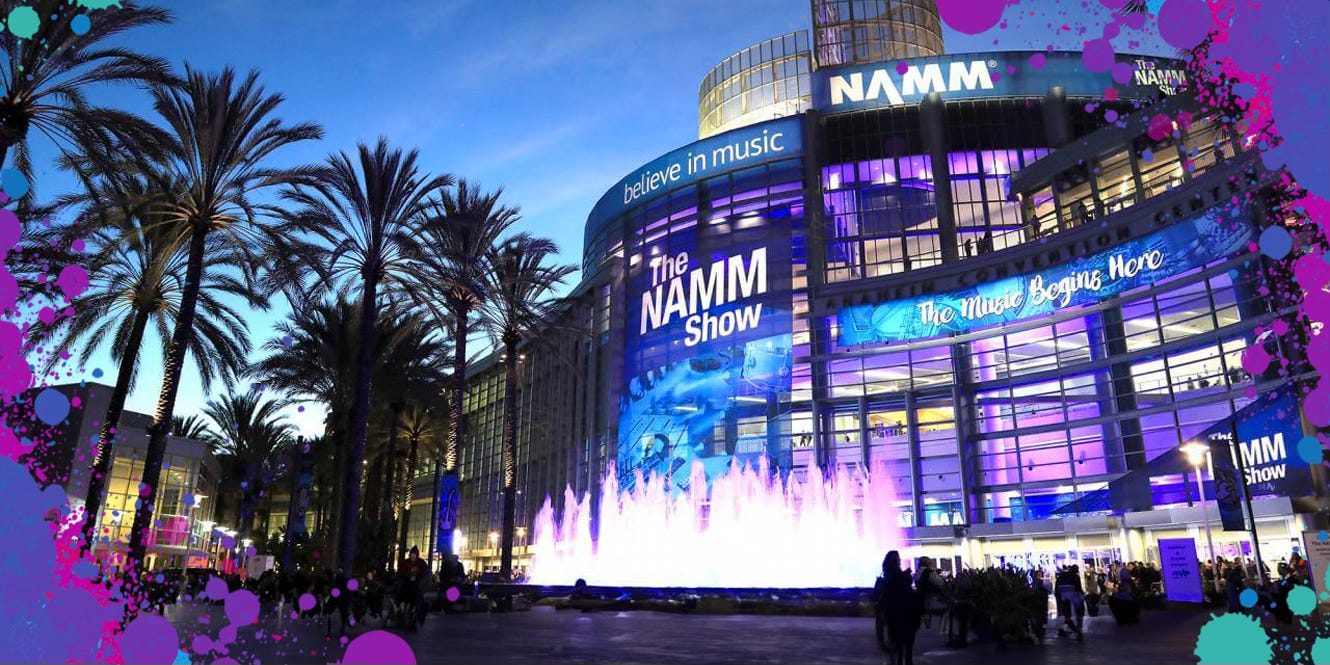
This years edition also is over: NAMM. The annual American trade show for musical instruments. Not for you or me, but for manufacturers, retailers and the press. For drummers, NAMM has offered very little to chew on for a long time now.
Apparently, some drum companies came to that same conclusion at the start of this century. They stopped showing up at the National Association of Music Merchants (NAMM) show altogether. Instead, brands chose their own moment to introduce new products. Different location, different date, full control. Roland still does this today, most recently late last year with the launch of the new V31 and V51 modules. Maximum exposure, total control of the narrative. Roland is generally good at product launches anyway. Something always leaks in advance, major retailers and online magazines get early units to produce videos, and the new gear hits stores quickly.
Little news
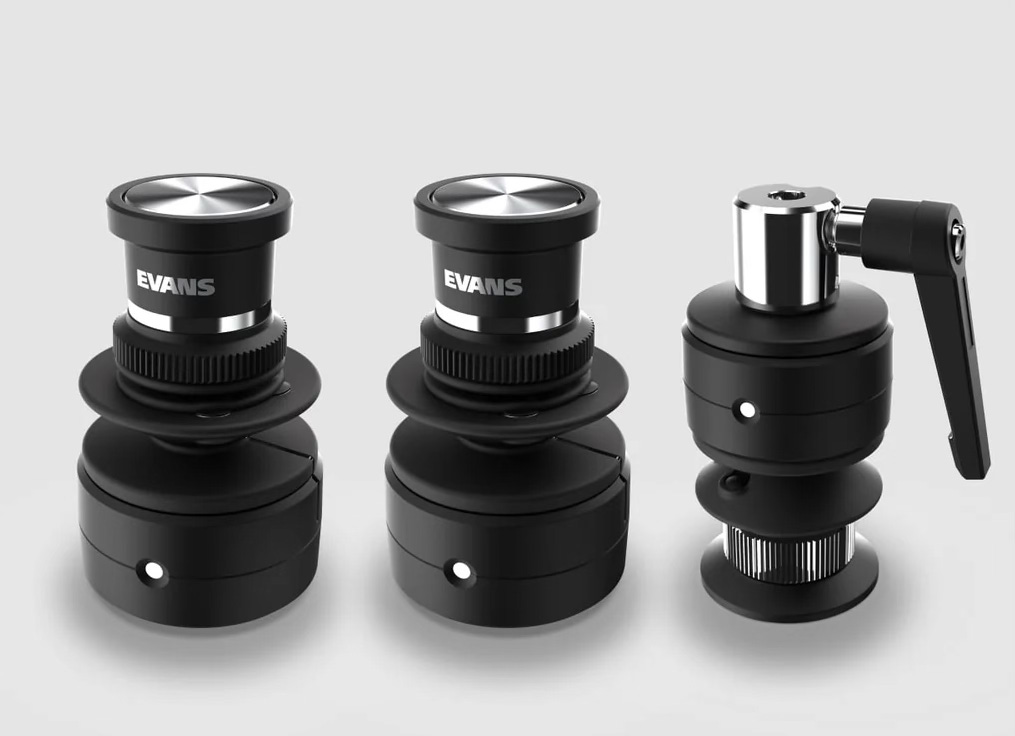
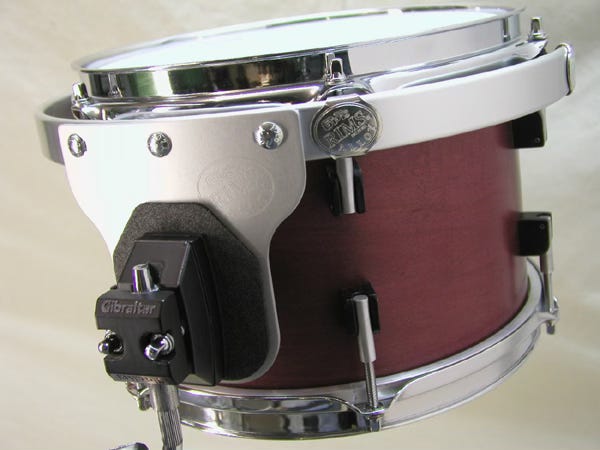
Back to NAMM. Years ago, the show earned the nickname “Not Available Maybe May.” This year, that label applies to the cymbal sensors from Sensory Percussion/ Evans, which were already presented online late last year anyway. Beyond that, NAMM offers little real news for drummers. Strictly speaking, the last truly major innovation in acoustic drums was the RIMS mounting system by Gauger Percussion in 1979. Much of what followed, we’ve seen before.
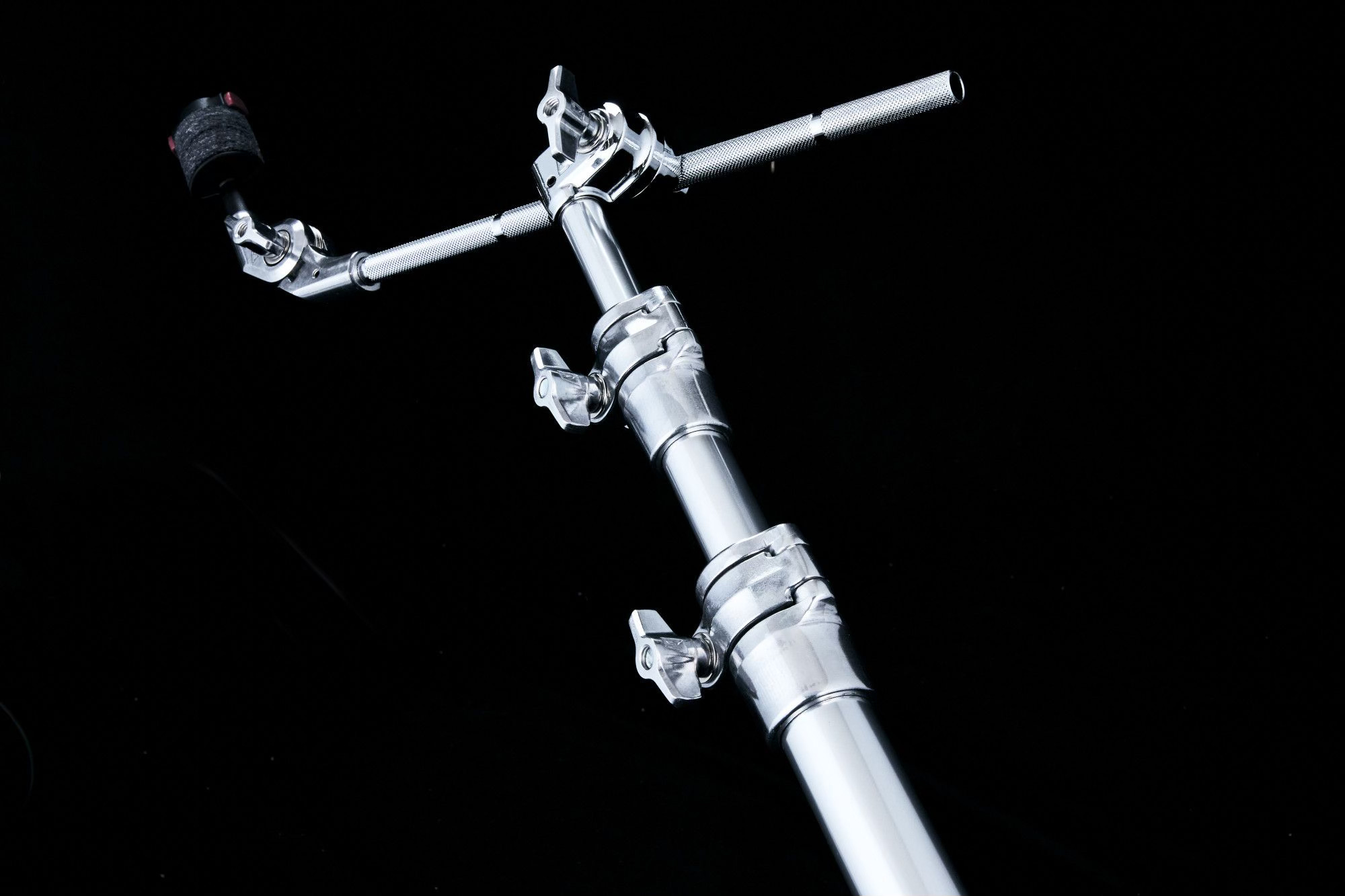
Take this year’s reintroduction of the Tama Spartan stands, featuring aluminum components. We’ve seen similar products from Sonor (Protec), Yamaha (Crosstown), Axis (Vortex), DW (6000 Ultralight series), and Gibraltar (AX and Turning Point). Nice effort, but stands that carry heavy cymbals or toms still need a proper center of gravity. Especially when a extendable arm is involved, which is probably why Yamaha doesn’t offer a boom-stand. Fortunately, Tama’s anti-walk rubber feet help keep things connected to Mother Earth a bit longer, just in case that 22-inch heavy ride decides to swing toward your face.
And that’s basically NAMM for drums: a new color here, a signature snare there, yet another cymbal series, plus a handful of boutique builders whose survival beyond a year remains an open question.
Will trade shows last?
The future of trade shows like NAMM is uncertain. Years ago, the Frankfurt Musikmesse already lost its shine. After Covid-19, the old format was effectively thrown out, and the focus broadened into Prolight+Sound. The German trade fair organization had the foresight to shift its attention toward Music China and Prolight+Sound Guangzhou. There is still a market in the Far East.
Although Ludwig (Signet) and Mapex (MyDentity) ultimately did not continue their direct-to-consumer programs, I expect significant changes in the musical instrument industry in the coming years. First of all, there’s simply too much of everything, and we no longer have the money to buy it all. Product quality has also become so good that most drum gear lasts much longer than it used to.
On the production side, many traditionally family-owned companies no longer have successors and end up in the hands of competing brands or private equity investors. The era of inventors like George Way and Billy Gladstone, freely experimenting and introducing genuinely new ideas, is definitively over. Today, everything has to be calculated and efficient. As I’ve written before, the drum kit itself is more or less fully developed, aside from a few final convulsions in the electronic drum segment.
That raises the question of whether there’s still room for trade shows that cost thousands of dollars and deliver very little real news. All of this can be done online. And properly trying out a product in a deafening exhibition hall was never a good idea anyway.
